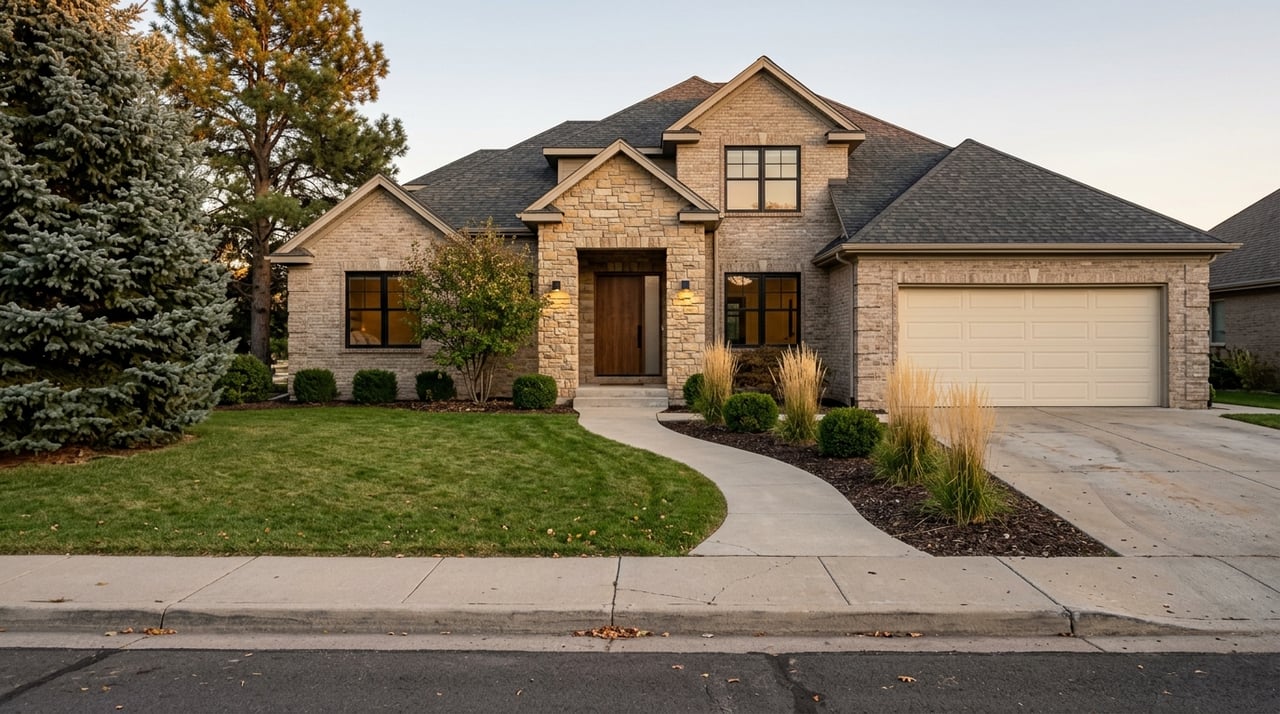
Highlands Ranch Neighborhood Guide: What Living Here Is Like
June 11, 2026
June 11, 2026
Wondering whether Highlands Ranch feels like the right fit for your next move? If you want a community with everyday convenience, a strong outdoor lifestyle, and a more planned suburban feel than many Denver-area neighborhoods, Highlands Ranch often stands out for good reason. Here’s what you can expect from daily life, housing, recreation, and the details that matter before you buy. Let’s dive in.
Highlands Ranch is a large, master-planned community in Douglas County about 12 miles south of Denver. It spans roughly 22,000 acres and has a population of about 103,400, which gives it the feel of a substantial community rather than a small suburb.
One thing that surprises many buyers is that Highlands Ranch is unincorporated. It is not a city or town. Instead, local services are split among the Highlands Ranch Metro District, the Highlands Ranch Community Association, Douglas County, and Highlands Ranch Water.
That structure shapes daily life in a very practical way. When you buy here, you are not just choosing a home. You are also stepping into a community with metro district services, HOA functions, covenants, and county-level services that help define how the area looks, feels, and operates.
If you picture yourself using trails, parks, and open space on a regular basis, Highlands Ranch has a lot to offer. The Metro District manages 2,644 acres of open space and more than 70 miles of trail, with a mix of concrete, crusher fine, and single-track surfaces.
That trail and open-space system is more than a nice backdrop. It supports recreation, wildlife movement, and stormwater infrastructure, which means the natural areas around you are part of how the community is designed to function.
This creates a daily rhythm that feels more connected to nature than many suburban areas. In fact, more than 4,700 homes back to open space, which can be a major draw if you want bigger views and easier access to the outdoors.
Living near open space comes with benefits, but it also means paying attention to a few practical realities. Community guidance specifically addresses issues like wildlife, pets, wildland fire, and noxious weeds.
For some buyers, that is part of the appeal. For others, it is an important reminder that Highlands Ranch has a semi-natural edge, not just manicured streets and sidewalks. If you like the idea of trails behind your home, it is worth understanding both the lifestyle perks and the added responsibilities.
Highlands Ranch is known for having a deep bench of recreation options. HRCA operates four recreation centers along with the Backcountry Wilderness Area, while the Metro District also manages parks, programs, and additional community facilities.
The Metro District lists 26 parks, youth and adult recreation opportunities, the Highlands Ranch Mansion, the Senior Center, the Southpark Pickleball Complex, and the Lebsack Tennis Center. That range gives residents a lot of ways to stay active close to home.
The Backcountry Wilderness Area is one of the community’s standout lifestyle features. It covers more than 8,200 acres and includes 26 miles of passive walking and biking trails, adding another layer to the area’s outdoor appeal.
Because Highlands Ranch is largely a post-1981 master-planned community, some buyers expect it to feel purely modern and suburban. While that planned character is definitely part of the experience, there are also local landmarks that add a sense of place.
One of the clearest examples is the Highlands Ranch Mansion and the surrounding Historic Park. In 2026, the Metro District announced the conveyance of about 197 acres to expand Historic Park to nearly 250 acres, reinforcing how strongly community identity is tied to open space, history, and public gathering space.
That matters because it gives Highlands Ranch more texture than a simple subdivision map might suggest. You get the structure and convenience of a planned community, but also community spaces that help anchor local identity.
If you are comparing Highlands Ranch to older Denver neighborhoods or more urban settings, the housing stock will feel very different. Community budget materials describe about 30,000 single-family homes and 9,000 multi-family units.
That housing mix tells you a lot. Highlands Ranch is still strongly oriented toward detached homes, but there are also townhomes and other lower-maintenance options for buyers who want a different ownership style.
Since the community was founded in 1981, most homes reflect construction from the master-planned buildout rather than a historic housing inventory. In day-to-day terms, that usually means a more consistent suburban layout, a broader supply of newer-era homes, and a neighborhood pattern designed around residential living rather than dense mixed-use blocks.
Highlands Ranch often appeals to buyers who want a stable, amenity-rich suburban routine. The combination of trails, recreation centers, parks, and community infrastructure can be especially attractive if you want your neighborhood to support your lifestyle without needing to drive across town for everything.
It can also work well for relocators who want a clear, easy-to-understand suburban setup south of Denver. If you are moving from out of state, Highlands Ranch often feels approachable because the community has a strong sense of structure, recognizable amenities, and housing options across different maintenance levels and price points.
From a long-term value perspective, buyers who prioritize usable space, established community systems, and daily convenience often find the area compelling. That does not make it the right fit for everyone, but it does explain why so many buyers keep it on their shortlist.
Schools are an important part of the Highlands Ranch conversation, but it is important not to make blanket assumptions. Highlands Ranch includes multiple feeder patterns within Douglas County School District, including East Highlands Ranch and West Highlands Ranch groupings.
DCSD also notes that schools in the area may offer AP, concurrent enrollment, career and technical education, and extracurricular programs. At the same time, elementary pairing changes were approved beginning with the 2026 to 2027 school year.
The takeaway is simple: if school assignment matters to your home search, verify it by address before you buy. In Highlands Ranch, zoning is not one-size-fits-all, and future changes can matter.
Highlands Ranch is primarily a car-oriented south suburban community. That is important to know if you are deciding between an urban lifestyle and a suburban one.
Transit does exist, but it is more about regional access than car-free living. RTD operates Park-n-Rides at Highlands Ranch Town Center and at C-470 and University Boulevard.
Highlands Ranch Town Center serves routes 0B and 402L, while C-470 and University Boulevard serves route 24. Route 402L runs between Littleton Mineral Station and County Line Station along Highlands Ranch Parkway, which gives some commuters a useful bus-to-rail option.
For many residents, though, the biggest convenience factor is organized access to the broader south Denver corridor. If you work in areas like the Denver Tech Center or along other regional routes, Highlands Ranch can offer a practical home base with some transit flexibility.
One of the most important parts of living in Highlands Ranch is understanding how the community is run. The Metro District, HRCA, Douglas County, and Highlands Ranch Water each play a role in local services.
That layered setup influences both the day-to-day experience and the cost structure of ownership. Buyers should be prepared to understand HOA expectations, community covenants, and how local services are delivered.
This is not necessarily a drawback. In many ways, it is part of why Highlands Ranch feels so organized and amenity-rich. But it is something you want to review carefully so there are no surprises after closing.
Every community has tradeoffs, and Highlands Ranch is no exception. If you are looking for dense walkability, a historic street grid, or a more urban neighborhood feel, this may not be the strongest match.
On the other hand, if you value recreation, open space, planned amenities, and a well-established suburban environment, those same characteristics may be exactly what you want. The appeal here is less about nightlife or transit-heavy convenience and more about everyday livability.
That balance is a big reason Highlands Ranch continues to attract buyers across different life stages. You are often choosing it for consistency, access to outdoor amenities, and a neighborhood structure designed for long-term residential use.
At its core, living in Highlands Ranch tends to feel active, organized, and residential. You have access to extensive open space, major recreation amenities, and housing options within a community that was built with a clear plan.
For many buyers, that translates into a lifestyle that feels easier to manage day to day. There is a strong sense that the community was designed to support routine, recreation, and long-term homeownership.
If that sounds like the kind of life you want, Highlands Ranch is worth a closer look. And if you want help weighing the neighborhood from both a lifestyle and long-term value perspective, Abby Barratt can help you compare options with clarity and confidence.
October 22, 2026
October 15, 2026
October 8, 2026
October 1, 2026
September 24, 2026
September 17, 2026

September 10, 2026
September 3, 2026
August 27, 2026
Abby Barratt thrives on building long-term business relationships by cultivating trust, fostering collaboration, and creating value-driven partnerships. She balances this relationship-focused approach with a tenacious, goal-oriented mindset, consistently driving results while maintaining integrity and reliability.