Platt Park Denver Living and Nearby Neighborhood Insights
June 25, 2026
June 25, 2026
Curious what it’s really like to live in one of Denver’s close-in neighborhoods without being right in the middle of downtown? If you are drawn to walkable streets, older homes with character, and a neighborhood business district you can actually use day to day, Platt Park often ends up on the shortlist. Here’s a practical look at what living in Platt Park and nearby areas feels like, what kinds of homes you’ll see, and why this part of Denver appeals to buyers who want both lifestyle and connectivity. Let’s dive in.
Platt Park sits in inner-south Denver and includes an area bounded by Broadway, Downing, I-25, and Evans. The Platt Park People’s Association notes that the neighborhood serves nearly 4,000 residences and businesses, which gives you a sense of its established, lived-in scale.
From a city planning perspective, Platt Park fits Denver’s “Urban Places” context. In simple terms, that means it is largely residential, with low- and mid-scale mixed-use corridors and small local centers tied to Denver’s older streetcar-era development pattern.
That planning history matters because it helps explain the neighborhood’s feel. Instead of reading like a newer suburban development, Platt Park tends to feel close-in, compact, and neighborhood-scaled.
One of the clearest themes in Platt Park is walkability. City design materials describe walkable residential streets and sidewalks, along with a mix of single-family homes, duplexes, a neighborhood park, and an elementary school.
For you as a buyer, that often translates to a rhythm that feels easy to settle into. Residential blocks are generally calm and tree-lined, while the commercial activity gathers in more defined corridors rather than spreading everywhere.
This balance is a big part of the neighborhood’s appeal. You get a residential setting with a local-business backbone, which can make daily errands, coffee runs, or meeting friends feel more convenient and connected.
If Platt Park has a social and commercial center, it is South Pearl Street. The district describes itself as one of Denver’s historic shopping areas, with tree-lined blocks, locally owned shops, restaurants, boutiques, nightlife, and seasonal events.
Its roots go back to 1893, when the Denver Tramway Company extended a trolley line up Pearl Street. Between 1900 and 1915, the corridor filled in with multi-use buildings and practical service retail, including grocers, bakeries, pharmacies, diners, and other everyday businesses.
That history still shapes the atmosphere today. South Pearl tends to feel like a true neighborhood main street rather than a modern retail center built all at once.
Current businesses in the district include names like Lavender Coffee, Nixon’s Coffee, Pearl Wine Company, Que Bueno Suerte, Jack’s on Pearl, Platt Park Brewing, Sexy Pizza, Stir-Pan Creamery, and Second Star to the Right. For many buyers, this kind of local mix is a major lifestyle draw.
The South Pearl Street Farmers Market is one of the area’s standout seasonal events. It runs on Sundays from 9 a.m. to 1 p.m. from May 3 through November 8, 2026, and features more than 170 local vendors plus live music.
That kind of recurring event does more than fill a calendar. It gives the neighborhood a regular gathering point and adds to the sense that this is a place where local businesses and day-to-day community activity are part of the lifestyle.
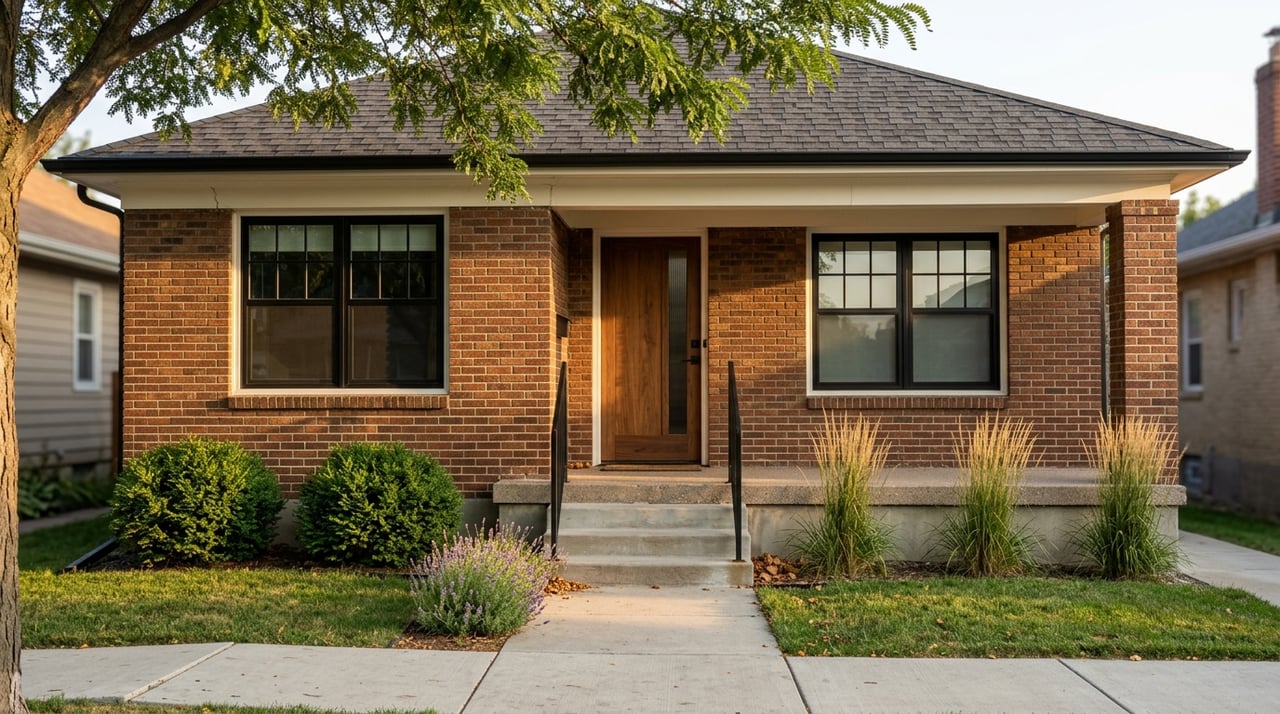
The housing story in Platt Park is one of older, low-rise residential stock mixed with some infill. City planning documents describe a neighborhood of single-family homes and duplexes, while city ADU background materials point to carriage houses and alley-accessed rear structures that are common in older Denver neighborhoods.
If you are touring homes here, the safest way to think about the architecture is historic, low-scale housing rather than one single look. You may see older homes with original character, duplex properties, carriage-house patterns, and some newer infill near the edges.
That variety can be appealing if you want options beyond a standard subdivision feel. It can also mean that block-by-block differences matter, so it helps to look closely at location, lot setup, updates, and how each home fits your long-term goals.
Platt Park often attracts buyers who want an urban lifestyle that still feels grounded and residential. You are not choosing a high-rise downtown experience, but you are also not choosing a car-dependent suburban pattern.
For many people, the sweet spot is exactly that middle ground. You can have a neighborhood with mature streets, historic housing, and a strong local retail corridor while still keeping straightforward access to other parts of Denver.
This can be especially helpful if you are relocating and trying to narrow your options. Platt Park offers a clear identity, which makes it easier to understand how it may fit your lifestyle priorities.
Platt Park has useful rail access nearby, which adds to its appeal for buyers who value flexibility. RTD’s Louisiana / Pearl Station at 755 E Louisiana Ave serves the E and T light rail lines and sits near Louisiana and Buchtel.
The E Line includes stops such as I-25/Broadway, University of Denver, 10th & Osage, Auraria West, Ball Arena / Elitch Gardens, and Union Station. That gives you a practical connection into downtown and other key destinations without relying entirely on a car.
If you want a larger transit hub, I-25 / Broadway Station is also nearby. RTD lists it as a rail station park-n-ride with paid parking, bus routes 0, 0L, 11, and 14, plus rail lines C, E, and T.
Transit access does not just affect commuting. It can also shape how connected a neighborhood feels over time, especially if you value having more than one way to get around.
For buyers comparing Platt Park with more outer areas, this is one of the biggest practical differences. The neighborhood offers a close-in location and rail access that support a more urban day-to-day pattern.
Platt Park is not only about shops and housing. Denver Parks and Recreation includes the Platt Park Recreation Center in its citywide facilities list, reinforcing that the neighborhood has local civic amenities built into the area.
That matters because it adds another layer to the neighborhood’s day-to-day function. When a place has recreation space and established public amenities, it tends to feel more complete as a residential environment rather than simply a place to sleep between work and errands.
If you are considering nearby neighborhoods as well, Platt Park stands out for its blend of historic retail, low-scale housing, and transit access. It is separated from West and East Washington Park by I-25 to the north, which also helps define its location within the broader central Denver map.
Compared with more suburban areas, the experience here is typically more walkable and more rooted in older neighborhood patterns. Streets are smaller-scale, housing is more varied, and local businesses are more integrated into everyday life.
That does not automatically make it the right fit for everyone. It does mean that if you are looking for urban Denver living without going all the way to a downtown setting, Platt Park deserves a closer look.
When you shop in a neighborhood like Platt Park, it helps to think beyond square footage alone. A home’s value may also come from its block, its proximity to South Pearl or transit, the type of housing on the street, and how much original character or updating it has.
This is where a financially informed, neighborhood-specific strategy can make a real difference. If you are weighing lifestyle tradeoffs, renovation potential, or long-term value, it helps to look at the whole picture rather than only the list price.
For buyers relocating from out of state or moving from the suburbs into central Denver, this kind of neighborhood can feel very different from what you are used to. A clear understanding of housing stock, daily convenience, and location tradeoffs can help you make a more confident decision.
If you want help comparing Platt Park with nearby Denver neighborhoods or finding the right fit for your lifestyle and long-term goals, connect with Abby Barratt for thoughtful, personalized guidance.
October 22, 2026
October 15, 2026
October 8, 2026
October 1, 2026
September 24, 2026
September 17, 2026

September 10, 2026
September 3, 2026
August 27, 2026
Abby Barratt thrives on building long-term business relationships by cultivating trust, fostering collaboration, and creating value-driven partnerships. She balances this relationship-focused approach with a tenacious, goal-oriented mindset, consistently driving results while maintaining integrity and reliability.