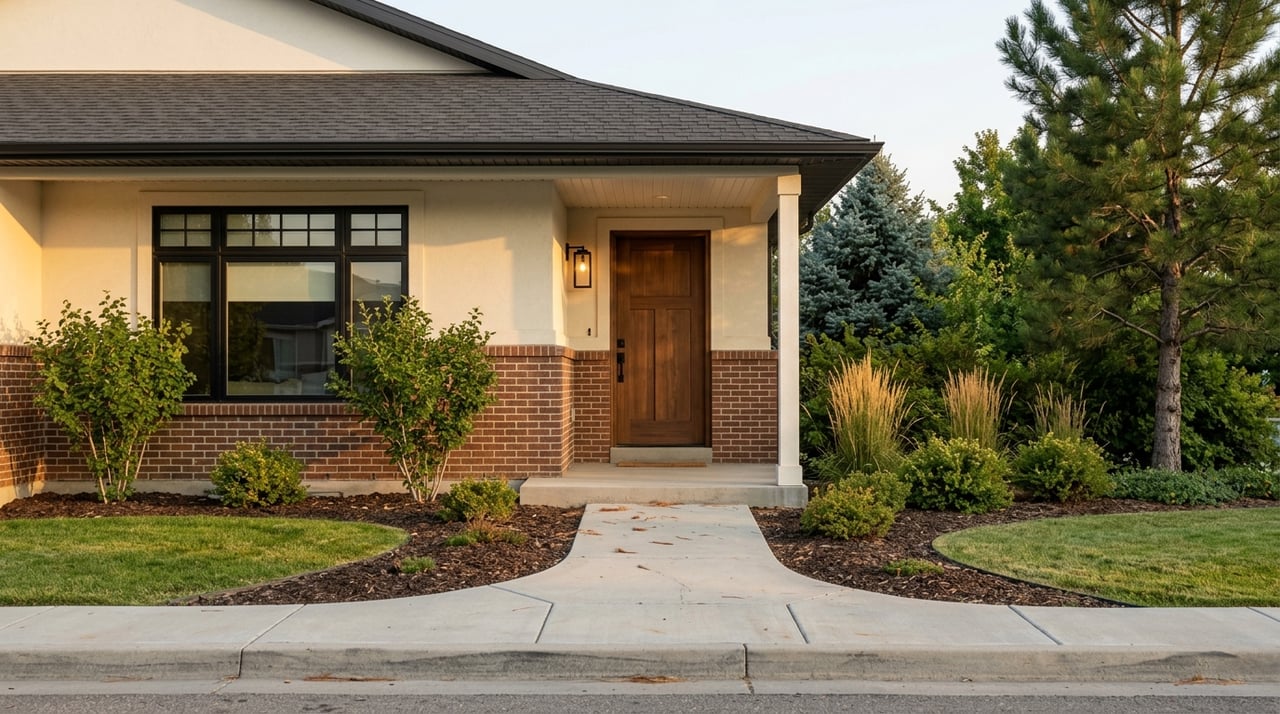
Littleton CO Lifestyle Guide for Everyday Living
July 16, 2026
July 16, 2026
Looking for a place that feels connected, established, and easy to live in day to day? Littleton stands out for exactly that reason. If you are thinking about moving here, or you simply want to understand what life in Littleton is really like, this guide will walk you through the city’s overall feel, outdoor access, daily conveniences, and the different lifestyle tradeoffs you may notice from one area to another. Let’s dive in.
Littleton is a compact south-metro city of about 46,246 people, located roughly nine miles south of downtown Denver. Most of the city is in Arapahoe County, with smaller portions in Douglas and Jefferson counties. In practical terms, that often means you get an established suburban setting rather than a place defined mainly by brand-new development.
The numbers help paint that picture. Current estimates show a 61.2% owner-occupied housing rate, a median owner-occupied home value of $630,600, a median gross rent of $1,819, and a median household income of $98,839. The mean commute time is 25.1 minutes, which suggests a city that works well for people balancing home life, work, and regular trips around the metro area.
Littleton’s own planning documents also highlight a few things that shape local identity: a traditional downtown, the South Platte River corridor, transit access, and a mix of neighborhood types. In the city’s 2024 resident survey, open space, trails, and parks were again among the most highly rated parts of living here. That tells you a lot about what residents value in everyday life.
For many buyers, outdoor access is one of Littleton’s biggest draws. The city says it has more than 1,400 acres of parks and open space and more than 200 miles of trails. That gives you a wide range of options for walks, bike rides, weekend outings, and simple everyday routines outside.
One of the city’s standout assets is South Platte Park and Carson Nature Center. The city describes it as an 878-acre suburban park resource and one of the largest of its kind in the country. If you like the idea of having nature, trails, and river corridor views close to home, this part of Littleton plays a major role in daily lifestyle.
The trail network is also useful, not just scenic. City planning materials point to routes like the Mary Carter Greenway and the High Line Canal as important connections for walking, running, biking, and reaching places such as Downtown Littleton, Chatfield State Park, and Aspen Grove. For some residents, that can make trails part of the daily routine instead of a weekend-only activity.
That said, your exact experience depends on where you live. The city notes that access can vary because of gaps and barriers in the network. So if being close to a trail matters to you, the difference between a trail-adjacent area and a more interior neighborhood may be more important than it first appears.
Downtown Littleton is the city’s strongest civic and cultural center. The Downtown Littleton Historic District includes Main Street, Alamo Avenue, and the streets between them, giving the area a traditional core that feels distinct from a typical suburban shopping center. It is one of the clearest examples of why Littleton feels local rather than interchangeable.
Town Hall Arts Center is a major part of that identity. Located in downtown, it serves as a cultural hub with a 260-seat theater and a long-standing presence in the community. If live performance and a real Main Street environment matter to you, downtown adds a meaningful layer to everyday life.
Other public spaces add depth to the city’s routine conveniences. The Littleton Museum sits on 40 acres next to Ketring Lake and includes exhibition galleries, a research center, and two 19th-century living history farms. Bemis Public Library is another major local anchor, drawing more than 300,000 visitors each year and serving as a community programming hub.
Hudson Gardens adds another option for casual outings close to downtown. It offers 30 acres of garden exhibits, paths, open space, and event venues, along with free public admission. It also has a trail entrance from the Mary Carter Greenway, which ties outdoor access and community amenities together in a very Littleton way.
Littleton’s day-to-day convenience is split between its historic core and newer retail areas. Visit Littleton describes Downtown Littleton as a place for boutiques, cafes, brewpubs, wine bars, and other independently owned businesses. If you enjoy local storefronts and a more walkable outing, downtown is likely to be a regular part of your routine.
Aspen Grove offers a different kind of convenience. It is described as an open-air center with national retailers, local boutiques, restaurants, and a movie theater. For many residents, that means you can choose between a historic Main Street setting and a more modern retail corridor depending on what you need that day.
Seasonal farmers markets in downtown and at Aspen Grove also add to the city’s everyday appeal. They give residents another warm-weather option for groceries, gifts, and casual social time. Small details like that help Littleton feel self-contained without feeling isolated from the rest of the metro area.
Transit is part of the lifestyle equation here, especially for some parts of the city. Littleton says RTD’s Southwest light rail has two stops in the city, including downtown and Mineral Avenue. Visit Littleton also notes that light rail helps connect downtown with Aspen Grove and Denver.
That does not mean every part of Littleton is equally transit-oriented. Some areas make it easier to pair rail access with walking or biking, while others are more car-dependent for errands and everyday movement. If commute flexibility is important to you, location within Littleton matters almost as much as choosing the city itself.
One of Littleton’s biggest strengths is housing variety. According to the city’s housing study, about 12% of housing was built since 2000, about 35% was built from 1980 to 2000, about 35% was built from 1940 to 1980, and about 1% predates 1940. Just over half of the city’s housing stock is single-family detached, with a significant attached-housing share as well.
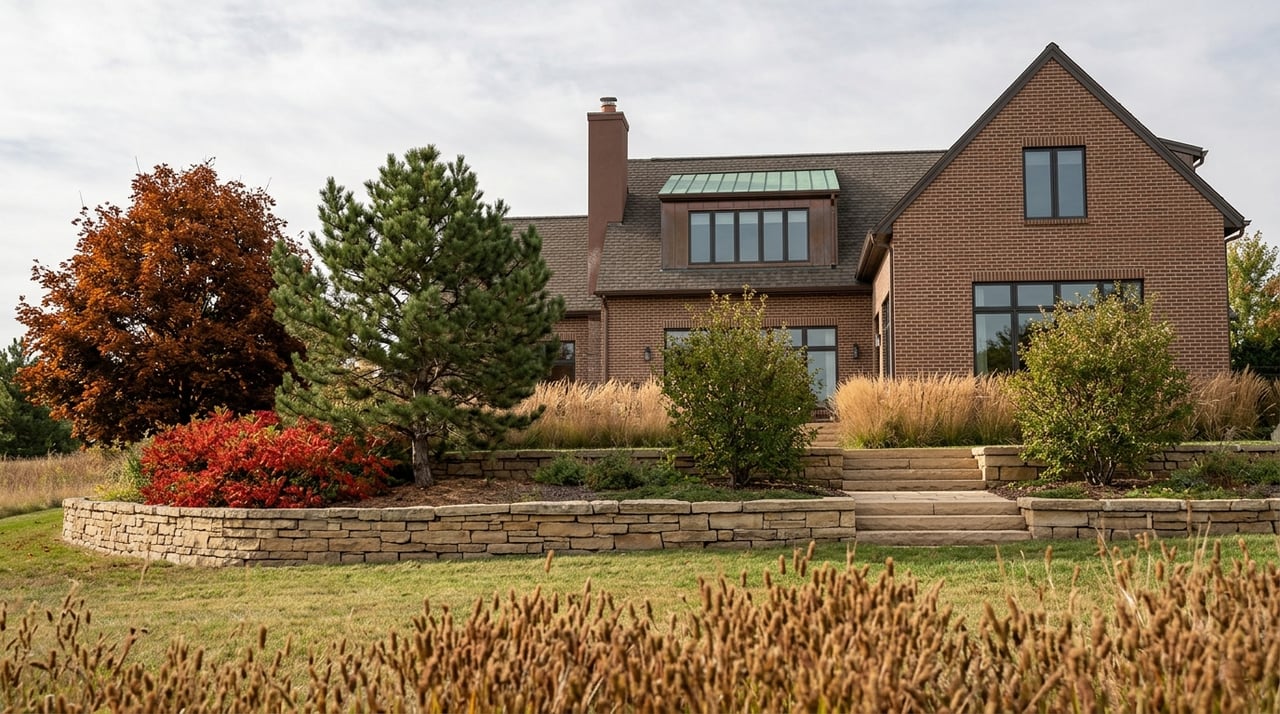
That mix creates a more layered housing story than you might find in a newer suburb. You will see areas with more character and older architecture, along with places that feel more conventional and suburban. For buyers, that can be a real advantage because you are not limited to just one style of living.
Historic-preservation materials point to this older character clearly. The Louthan Heights Historic District is tied to bungalow homes and other early 20th-century house types, while the city’s broader historic districts and landmarks help define Littleton’s architectural identity. In and around the mixed-character core near downtown and Littleton Boulevard, the city notes that sidewalks, bike lanes, and access to shopping, parks, and other amenities can make daily life more walkable.
In Littleton, micro-area matters. One part of the city may feel close-in, historic, and walkable, while another feels more suburban and retail-oriented. That is one reason buyers often benefit from looking beyond the city name and focusing on how they actually want to live day to day.
Downtown-adjacent and mixed-core areas tend to fit buyers who prioritize character, Main Street access, and a more connected routine. If your ideal day includes walking to coffee, spending time near local shops, or being close to civic spaces and community anchors, these pockets may feel like the strongest fit.
River-corridor and trail-adjacent areas often appeal to buyers who want outdoor access built into daily life. If you want to walk, run, or bike more often, or simply be near major open-space assets, these locations can offer a different rhythm. In those areas, the trail network can become a real lifestyle feature rather than just a nice bonus.
Areas south of Littleton Boulevard, near Aspen Grove, or in more planned suburban pockets may be a better match if you want newer housing patterns, retail convenience, and a more conventional suburban feel. These parts of the city can offer a different kind of ease, especially for buyers who want straightforward access to shopping, dining, and commuter routes.
Littleton can work well for several kinds of buyers because it offers more than one version of suburban living. If you want an established community with a true downtown, strong park access, and housing that spans multiple eras, it checks a lot of boxes. It can also appeal if you want to stay connected to Denver while living in a place with its own identity.
It may be especially appealing if you value long-term livability. The combination of ownership demand, outdoor infrastructure, civic amenities, and varied housing stock gives buyers different ways to align budget, lifestyle, and future goals. That is often what makes Littleton feel like more than just a place on a map.
If you are comparing specific areas in Littleton, it helps to think in terms of routines. Do you want trails close by, a Main Street atmosphere, easier rail access, or a more suburban shopping corridor? Once you answer that, the right pocket of Littleton usually becomes much easier to identify.
If you are exploring Littleton and want help narrowing down the right area for your lifestyle, budget, and long-term goals, Abby Barratt can help you make a smart, confident move.
October 22, 2026
October 15, 2026
October 8, 2026
October 1, 2026
September 24, 2026
September 17, 2026

September 10, 2026
September 3, 2026
August 27, 2026
Abby Barratt thrives on building long-term business relationships by cultivating trust, fostering collaboration, and creating value-driven partnerships. She balances this relationship-focused approach with a tenacious, goal-oriented mindset, consistently driving results while maintaining integrity and reliability.