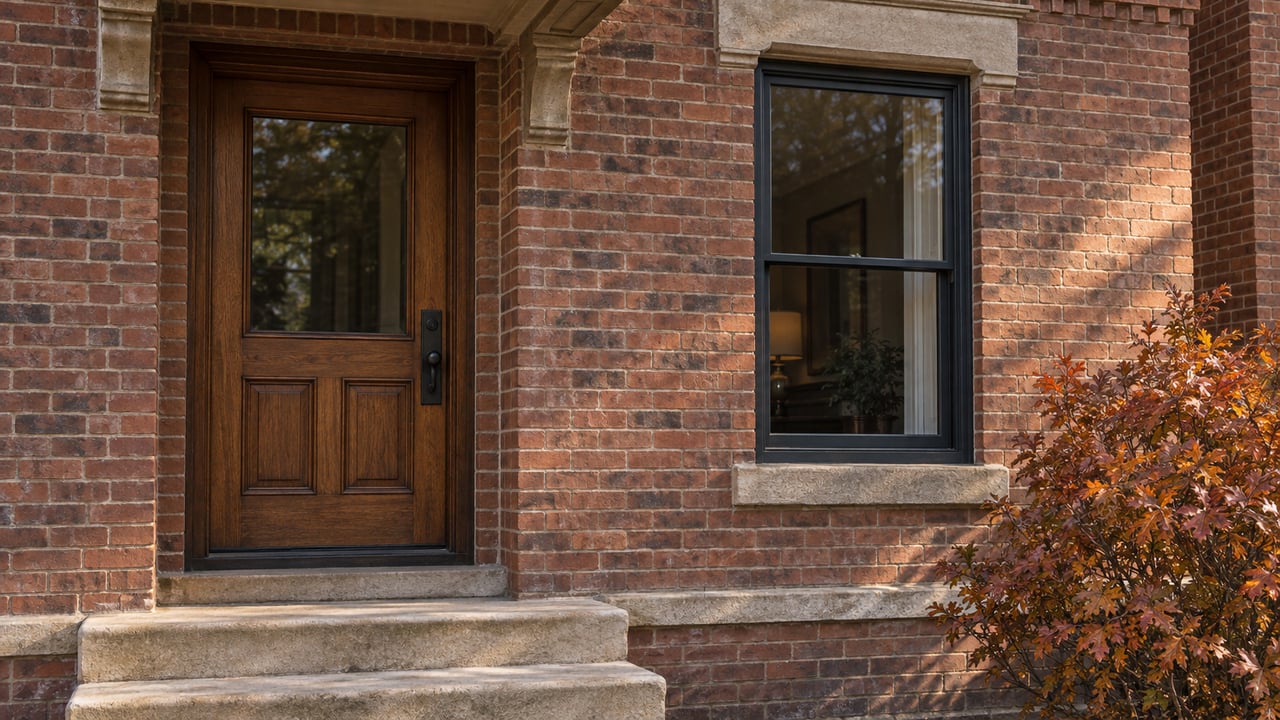
In Denver's Historic Districts, The Real Rule Is About Timing, Not Permission
October 1, 2026
October 1, 2026
A buyer closes on a brick foursquare in Wyman or a bungalow in Park Hill, already picturing the dormer addition or the porch rebuild they've been planning since the first showing. They call a contractor, expecting a building permit within a couple of weeks. Instead they learn the permit office won't even open the file until a separate reviewer signs off first, and that reviewer hasn't looked at the project yet because nobody told them it existed.
That's the part most people miss about buying in one of Denver's historic districts. It isn't that the city says no to renovation. It's that the city says not yet, and not yet can mean anywhere from a few days to a few months depending on what you're asking for.
In a designated historic district, exterior work that needs a building permit has to clear design review first. The formal name for that sign-off is a Certificate of Appropriateness, issued by Denver's Landmark Preservation Commission, and it has to happen before the building permit is issued, not alongside it. Interior renovations are a different story entirely. Kitchens, bathrooms, structural work that doesn't touch the exterior or roofline, all of that moves through the normal permit process
The confusion happens because buyers assume "historic district" means the whole house is regulated. It doesn't. It means the outside of the house, goes through an extra step before anyone can start pulling permits for exterior changes.
Not every exterior project sits in the same queue. According to Historic Denver, minor changes like re-roofing, replacing gutters and downspouts, or repointing masonry get reviewed by planning staff and typically move fast. Larger changes, go before the Landmark Preservation Commission itself.
That gap between an administrative approval and a commission hearing is the single biggest variable in a historic district renovation timeline, and it's almost never priced into a buyer's plan before they write an offer. A buyer who wants to swap a window or repair a porch rail is looking at a short delay. A buyer who wants to add a second story or build a garage is looking at a process that can stretch for weeks or months before the building permit even gets filed.
Denver has 52 local historic districts, along with more than 300 individually landmarked properties. Some of the names buyers hear most often in the south-metro-to-central-Denver conversation are Capitol Hill, Wyman, Park Hill, Baker, Potter Highlands, Curtis Park, Alamo Placita, and La Alma Lincoln Park. Each carries its own design guidelines built around the "character-defining features" of that specific block, which is why a change that sails through review in one district might draw more scrutiny in another.
Inside those boundaries, a handful of items never require review at all. According to Packard's Hill, minor exterior additions like air conditioning units, irrigation systems, satellite dishes, and storm windows don't trigger a Landmark Preservation filing.
For buyers weighing a historic Denver home against a newer build in the south suburbs, this is the actual comparison worth making. It isn't whether the historic home is more restricted. It's whether your specific renovation wish list includes work that requires Landmark Preservation review, and how long that review may take.
The materials conversation is real. Matching original brick, replicating wood windows, or rebuilding a porch to the district's specifications is rarely the cheapest path, and it's worth building a real contingency into any renovation budget rather than assuming a generic contractor estimate will hold.
What fewer buyers know is that the cost has an offset. Homes more than 50 years old that contribute to a historic district can qualify for the Colorado Historic Preservation Income Tax Credit, which Historic Denver describes as worth 20 to 25 percent for eligible properties. Denver's Landmark Preservation Commission reviews the applications. For a buyer already planning to invest in period-appropriate materials, that credit can meaningfully change the math on a project that looked expensive at first estimate.
None of this would matter as much in a market where buyers had no leverage to ask for it. That's not the market Denver is in right now.
Denver metro's median close price slipped under $600,000 in August 2026, and closed sales dropped nearly 19 percent from July, with median days on the MLS climbing to 27. REcolorado's own year-over-year tracking confirmed the same trend for August, describing a market that continued cooling with fewer completed sales even as prices held relatively stable. Then, in the second week of September 2026, mortgage rates crossed 7 percent for the first time in more than fifteen months, adding fresh pressure on buyer budgets right as the fall market usually starts to slow on its own.
Put those together and a longer average time on market isn't just a headline. It's room. Room to get a Landmark Preservation pre-check done on a property before the inspection deadline passes. Room to ask a seller for a repair credit sized to cover the actual cost of matching original materials rather than a generic allowance. Room to walk through the sequencing question with a contractor before you're locked into a closing date that assumes you'll be swinging a hammer the following week. A year ago, in a faster market, buyers rarely had time to build any of that into an offer. Right now, they do.
The house itself rarely changes much once you know these answers. What changes is the calendar, and in a market where days on market are already stretching past three and a half weeks, getting that calendar right before you close is worth more than it was a year ago.
If you're weighing a historic Denver property against new construction elsewhere in the metro, or trying to figure out what a specific district's rules would mean for the renovation you have in mind, I'd be glad to walk through it with you. Let's Connect.
This article is general information, not legal, tax or financial advice. Consult a qualified professional about your situation.
October 22, 2026
October 15, 2026
October 8, 2026
October 1, 2026
September 24, 2026
September 17, 2026

September 10, 2026
September 3, 2026
August 27, 2026
Abby Barratt thrives on building long-term business relationships by cultivating trust, fostering collaboration, and creating value-driven partnerships. She balances this relationship-focused approach with a tenacious, goal-oriented mindset, consistently driving results while maintaining integrity and reliability.